



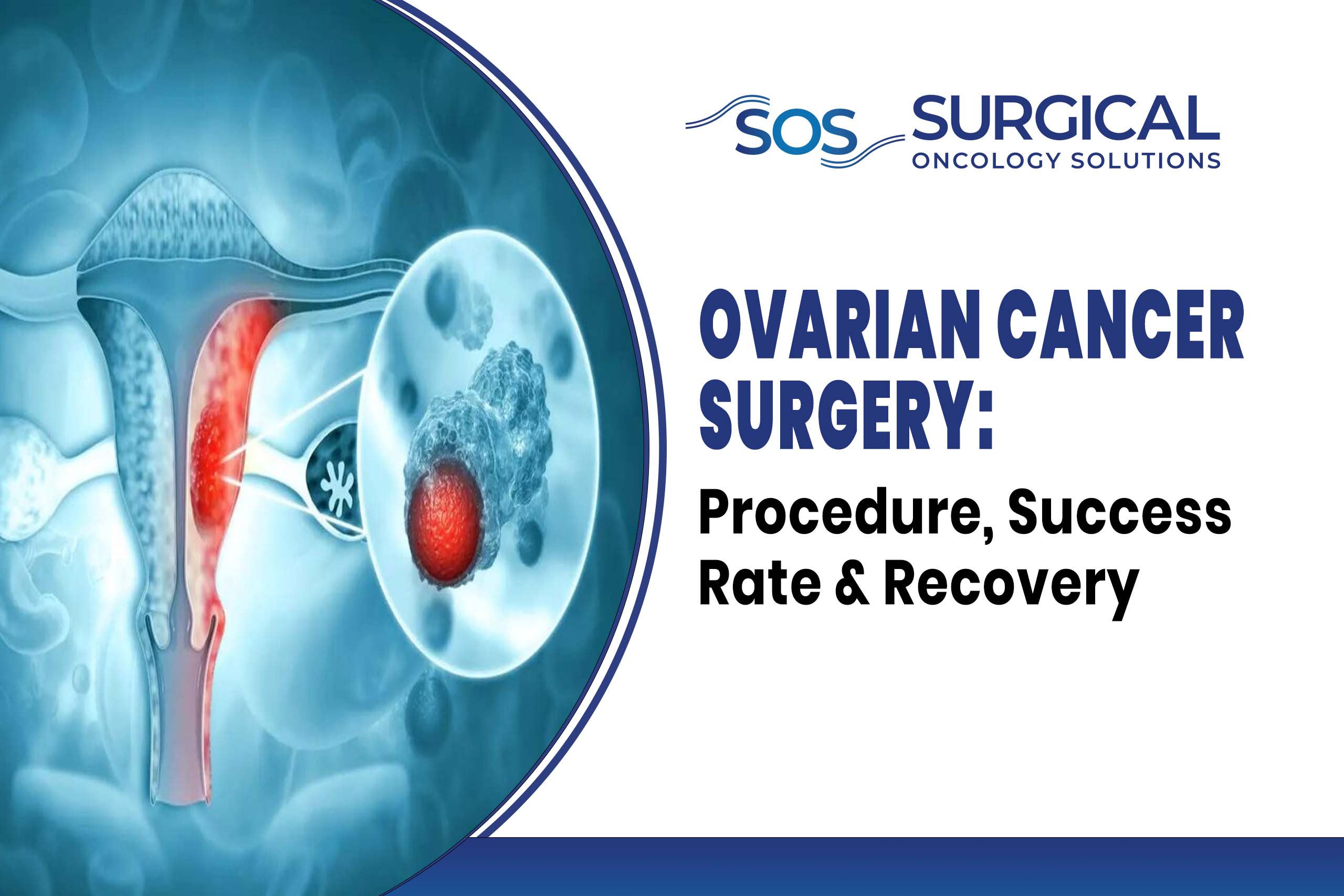
Ovarian cancer is one of the most challenging gynaecological cancers, since each year, thousands of women worldwide are affected by the cancer. Surgery is usually the most important part of treatment, which has a chance of a cure and better survival rates. Knowledge about the ovarian cancer surgery process, expectations in the post-surgery period and other factors that determine the success can make the patient and their family members go through this journey of hardship with more confidence.
Understanding Ovarian Cancer Surgery
Ovarian cancer surgery is a severe part of the treatment because it is designed to remove cancer tissue and define the level of disease progression. The aim of this is to attain full cytoreduction, which is to remove every visible tumour. The kind of surgery and its extent depend on the stage of the cancer, the overall health of the patient, as well as whether the cancer has spread to other areas outside the ovaries or not.
The Ovarian Cancer Surgery Procedure
The surgical team also carries out staging procedures during surgery. This involves the removal of lymph nodes, sampling of tissues of the abdomen and pelvis and the omentum (a layer of fatty tissue that covers the organs of the abdomen). The fluid samples can be taken to test the presence of cancer cells. In the case of higher stages, debulking surgery is required, and the surgeon excises the abdominal area and the pelvis of the human body as much as possible of the tumour tissue.
Modern surgery has transformed the way therapy is done. In dedicated centres such as Surgical Oncology Solutions, patients have the benefit of highly specialised surgery (minimally invasive surgery and robotic surgery), which provides accuracy in delivering treatment and recovery in a shorter period of time. In complex situations when peritoneal dissemination is observed, new measures such as HIPEC (Hyperthermic Intraperitoneal Chemotherapy), which involves the direct administration of heated chemotherapy into the abdominal cavity during the operation, have shown excellent results.
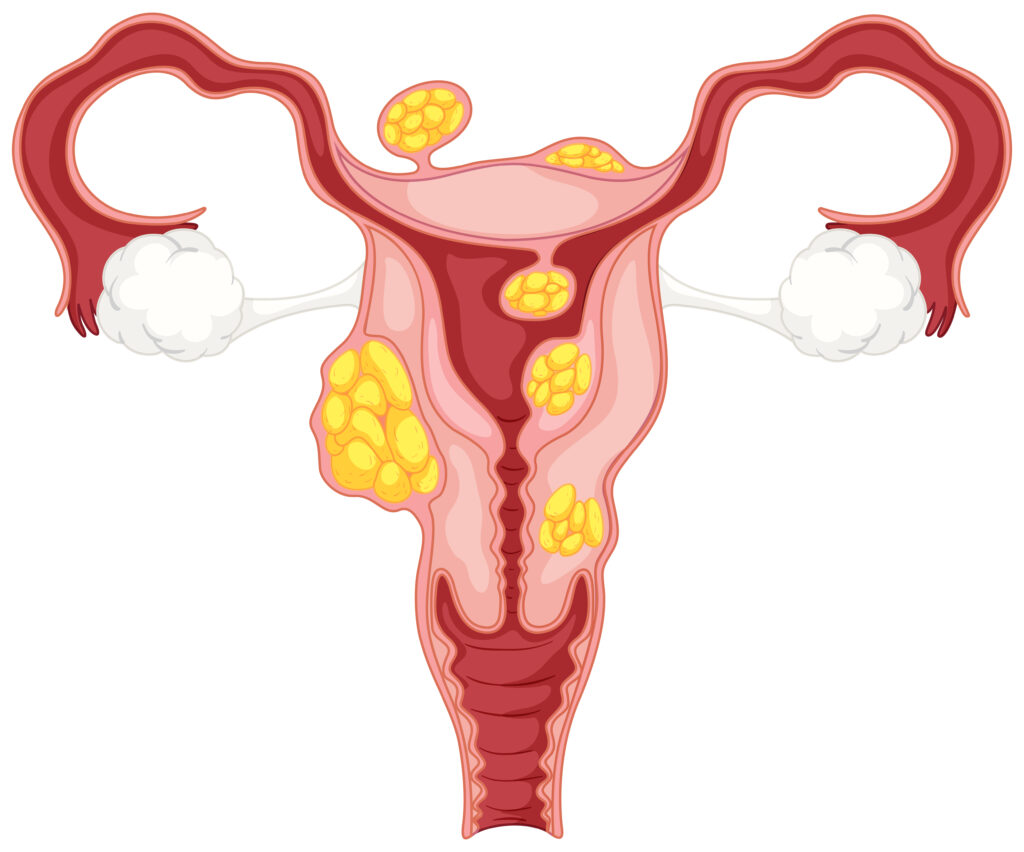
Ovarian Cancer Surgery Success Rate and Survival Rate
The success rate of ovarian cancer surgery depends on several issues, including the stage of cancer diagnosis, the grade of the tumour, and the extent to which the surgery was done. With early detection of cancer (Stage I), a five-year survival rate may be over 90 per cent in the case of proper surgical treatment.
In women, where the diagnosis was done at Stage II, the ovarian cancer surgery survival rate is between 60 and 80%, and in Stage III, the survival rate is about 30-50%. Aggressive debulking surgery and chemotherapy can prolong life and enhance the quality of life even in developed Stage IV disease.
The surgical staff is of great importance in the success rates. Only highly trained oncology surgeons who specialise in managing gynaecological cancers can attain ideal results in terms of cytoreduction, which has a direct positive relationship with long-term results. The success rate of these centres is always higher due to their adherence to precision and superior surgical skills, as exemplified by centres that have a history exceeding 20 years, as is the case in Max Cancer Centre.
Ovarian Cancer Surgery Side Effects
Like all major surgeries, ovarian cancer surgery carries risks. Being aware of these complications helps patients prepare both physically and emotionally.
Common complications include:
- Infection at the surgical site
- Bleeding during or after surgery
- Blood clots (legs or lungs)
- Damage to nearby organs like the bladder or intestines
- Bowel obstruction
- Fluid buildup in the abdomen
More complex surgeries and pre-existing health issues can increase the risk.
Short-term side effects:
- Pain and discomfort
- Fatigue
- Nausea or constipation
Long-term side effects:
Since surgery usually involves removing both ovaries, younger women may enter sudden menopause, leading to:
- Hot flushes
- Mood swings
- Sleep problems
- Bone density loss
Emotional and psychological effects
Many women experience:
- Anxiety
- Depression
- Body image concerns
Holistic cancer care, including counselling and support, is important for managing these challenges.
Ovarian Cancer Surgery Recovery
Recovery after ovarian cancer surgery recovery time and needs care. The recovery time of the ovarian cancer surgery is also determined by the surgery method, the scope of the surgery and the factors of the individuals.
In the case of open abdominal surgery, the first day in the hospital is an average of 3-7 days. Medical teams watch out during this period to check complications and manage pain. The recovery time of most patients will take 6-8 weeks, but not all activities should be engaged in during the 12 weeks.
Robot-assisted or the least invasive surgeries significantly decrease recovery time. Patients subjected to such complex operations have reduced pain, reduced scars and get back to normal functions within 2-4 weeks. This is one of the main benefits of being treated in facilities with the most advanced technology for surgery.
There are particular rules to be adhered to during recovery: the patient should not lift heavy things during the first six weeks, learn to walk and exercise as much as possible, eat healthy food to recover faster, visit follow-up appointments, and be attentive to such symptoms as fever, blood loss, or severe pain.
Comprehensive Care Makes the Difference
Selecting the best surgical team may have a strong influence on your treatment experience and outcomes. Surgical Oncology Solutions is a group that is composed of senior oncology surgeons who have worked in a large cancer facility in India over a period of decades. Their philosophy goes beyond giving you the medical treatment to take care of your emotional health and quality of life along the way.
The centre provides less rigid consultation possibilities, such as walk-in consultations (Monday to Saturday, 9 AM – 5 PM) and video consultations (weekends only). Patients will have 24-hour WhatsApp support through +91-8218819398 to get advice any time they need it.
The facility is situated in the Surgical Oncology solutions Shalimar Bagh, New Delhi, where both modern treatment technologies and humane care are merged. They are dedicated to educating their patients so that they are aware of all their treatment needs and have the necessary power to make informed choices regarding their health.
Frequently Asked Questions (FAQs)
Q1. What is the duration of surgery in ovarian cancer?
The ovarian cancer surgery normally takes 2-5 hours of time, depending on the extent of the cancer as well as the size of the tumour to be removed. More protracted may be complex debridement surgeries or HIPEC surgeries.
Q2. Will I be able to have children after ovarian cancer surgery?
Removing both ovaries implies that one will never be able to have a natural pregnancy. Those women whose small cancer only involves one ovary but can have fertility-sparing surgery in which the other ovary and uterus remain unaffected.
Q3. How soon could I go back to work after ovarian cancer surgery?
The recovery and nature of a job which a patient performs causes them to resume the work with the traditional open surgery in 48 weeks. Patients of minimally invasive surgery or robotically assisted surgery will recover faster and they will be able to resume normal life within 24-48 hours.
Q4. Is there a need to have chemotherapy following the ovarian surgery?
Yes. Most patients with ovarian cancer, despite being at an early stage, require chemotherapy after surgery. Surgeries coupled with chemotherapy are the best of both worlds that will maximise the likelihood of survival in the long term as well as reduce the likelihood of the cancer recurring.
Q5. What are the red flags of ovarian cancer surgery complications?
Get in touch with the doctor in case of the following:
- Fever above 101°F
- Heavy vaginal bleeding
- Severe abdominal pain
- Incision redness, swelling, or discharge.
- Difficulty breathing
- Chest pain
- Pain or swelling in the legs
These are possible indications of a life-threatening complication requiring emergency treatment.

