



Cervical cancer is one of the most common but the most preventable cancers in the world. Knowledge of its early symptoms, risk factors and preventive measures is important in enhancing the outcome and low mortality. We are confident at Surgical Oncology Solutions that the best weapon in the battle against cervical cancer is awareness and early diagnosis.
Understanding Cervical Cancer and Causes
Cervical cancer occurs in cells of the cervix or the lower section of the uterus that attaches to the vagina. HPV is the virus that causes cervical cancer in the first place due to persistent infection. Nevertheless, other factors put a woman at risk:
- Weak Immune System: Infected, immunosuppressed, and diseased women are more vulnerable as the body is weak to overcome HPV infections.
- Smoking: Tobacco is also a risk factor for cervical cancer twice. Cigarettes have toxic substances that destroy the DNA of cervical cells and weaken immunity to HPV.
- Long-term Oral Contraception: The risk of cervical cancer is more likely with birth control pills on long-term use (at least five years), but it reduces with discontinuation.
- Multiple Pregnancies: Women who have had three or more full terms are particularly at risk, and this may be attributed to hormonal differences and HPV exposure.
- Early Sexual Intercourse and Multiple partners: The Age of commencing sex is young, or there are many multiple partners, which exposes an individual to the risk of HPV.
Recognising Signs or Symptoms of Cervical Cancer
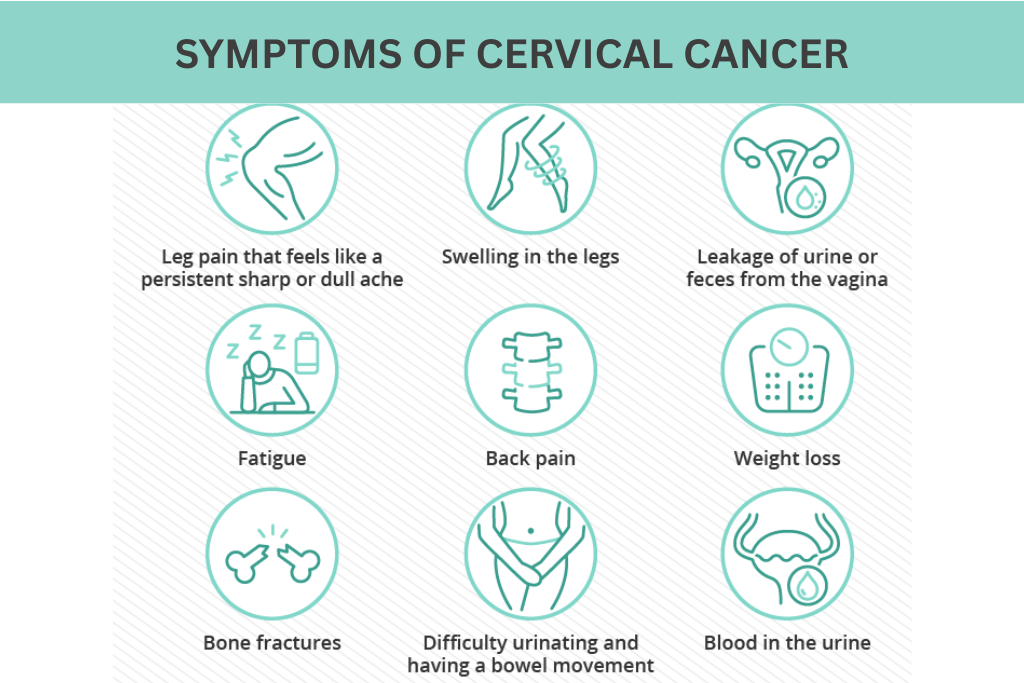
- Abnormal Vaginal Bleeding: It is the most common symptom and is typified by bleeding between periods, post intercourse, post menopause, or severe menstrual periods as compared to the normal ones.
- Abnormal Vaginal Discharge: Waterlike, bloody or smelly discharge not within the usual cycle is an early problem that must be evaluated.
- Pelvic Pain: When pelvic pain occurs during intercourse, it can be a symptom of cervical abnormalities.
- Later Symptoms: The symptoms may manifest during the later part of life in the form of back pain, leg swelling, inability to pass urine, passing of blood in the urine or alterations in bowel movements.
Should you contract any of these symptoms, you can sit before competent professionals, including those in the best cervical cancer hospital in Delhi to be diagnosed and treated promptly.
Survival Rate in Cervical Cancer: The Importance of Early Detection
The most changeable one is cervical cancer survival in accordance with the stage of diagnosis which further underlines strong indicators of screening and early detection. The survival rate of cervical cancer limited to the cervix is higher than 90%. This is a very good figure that demonstrates the fact that cervical cancer can easily be treated if it is detected early.
The survival rates on the other hand dwindle with the progress being made in the treatment of cancers. Regional diffusion of the disease leads to the lowering of the survival rates up to 56%, and distant metastasis reduces the survival rate up to 17%.
.
Cervical Cancer Prevention and Early Detection Strategies
Prevention is the cornerstone of reducing the burden of cervical cancer. Evidence-based practices that all women are encouraged to follow include the following:
- HPV: High risk HPV infection prevention is unmatched with the HPV vaccine. More than 90% of cancers related to HPV can be prevented using the vaccine, so the vaccine ought to be taken before the start of sexual life (age 9-14). Even at the age of up to 45, women can be vaccinated.
- Routine Pap Smear Screening: Women need to start Pap testing at 21 years of age and do it every three years till 65 years. The precancerous changes are identified by this simple test before cancer sets in, and thus, early intervention is performed.
- HPV Testing: HPV (co-testing) screening with Pap smears should be used in women older than 30 to offer a full screening. Alone, testing every five years is also acceptable with HPV.
- Safe Sex: Condom use can decrease the risk of catching HPV, but it is not entirely effective, as HPV may infect those areas that it does not cover.
- Quit Smoking: Cessation of tobacco consumption will help a lot in preventing cervical cancer and also enhance health.
- Keep Your Immune System Strong: Having a healthy diet, exercise, sleep, and stress management will enhance the natural immune system of your body against HPV.
- Limit Sexual Partners: Limiting the number of sexual partners and seeing to it that the sexual partners also limit their partners minimises the risk of HPV.
Comprehensive Care at Surgical Oncology Solutions
Cervical cancer is an extremely preventable cancer and simultaneously, it claims thousands of women annually. Having the information about cervical cancer and its cause, the first signs, and prevention factors can save your life greatly. One should not forget that the HPV infection that can be prevented by a vaccine is a common cause of cervical cancer, and the disease has a good prognosis in case of early diagnosis.
It is not a good idea to wait to get the symptoms. In these modern days, it is your responsibility to be aware of your health through screening and preventive health. You are now at Surgical Oncology Solutions, where we are expected to serve you with utmost skill, state-of-the-art services, and without compromising on compassion in health care.
Frequently Asked Questions (FAQs)
Q1. What causes cervical cancer mainly?
The cause is most probably due to a chronic infection of high-risk HPV types. These HPV strains are credited with almost 95% of all cervical cancer.
Q2. When should screening for cervical cancer begin?
The screening process should commence at the age of 21 years using Pap smear and should recur every 3 years.
From age 30 to 65, women can either:
- Get an HPV test every 5 years, or
- Continue Pap smears 1-3 years once per year.
Q3. What is preventing cervical cancer?
There is no specific procedure that could be considered one hundred percent prevention but the HPV vaccine, combined with the frequent screening of cervical cancer, can be practically applied to address almost 90 percent of cases. These two measures are the best in being guarded.
Q4. What are some warning signs that I cannot ignore?
You should go and meet a doctor immediately in case you have:
- Abnormal vaginal bleeding
- Unusual discharge
- Pelvic pain
- In intercourse, pain or discomfort is experienced.
These symptoms are to be solved as soon as possible
Q5. Can cervical cancer be treated when it is diagnosed early?
Yes. The five-year survival rate is over 90% in the case when cervical cancer has been detected at the first stage and remains within the cervical area. This is why critical screening and early diagnosis are of much importance.

