



This is a very common cancer among the world population. Being aware of different lung cancer stages can help patients and family members to have the right expectations about it and make more decisions about treatment. Now let’s learn with all the stages, symptoms to watch and the definition of the survival rates.
What Are Lung Cancer Stages?
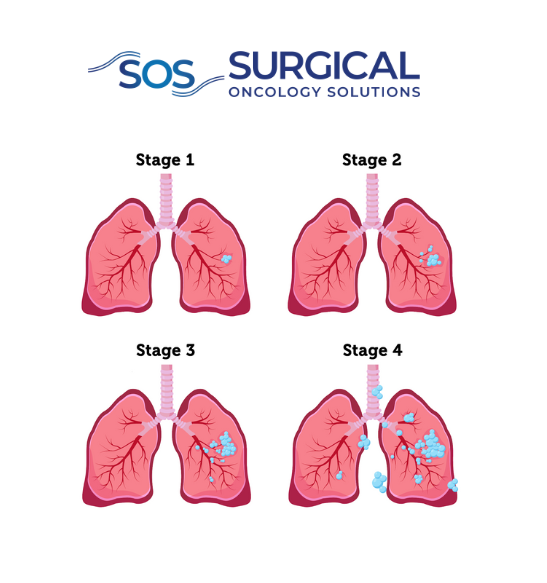
Stages are used in medicine to explain the extent of cancer prevalence in the body and its spread. Four primary stages include stage 1 (early), and stage 4 (advanced). The stage knowledge aids physicians in selecting the most appropriate treatment scheme.
Stage 1 Lung Cancer
The first stage is stage 1 lung cancer. By this time the cancer is tiny and has not metastasized to other body parts other than the lung.
Stage 1 Lung Cancer Symptoms
Stage 1 lung cancer does not have any symptoms to many people. Symptoms may manifest, but include:
- A cough that doesn’t go away
- Coughing up blood
- Deep breathing makes the chest pain worse.
- Shortness of breath
- Feeling very tired
Stage 1 lung cancer is frequently diagnosed when one is testing other health issues due to mild or nonexistent symptoms.
Stage 1 Lung Cancer Survival Rate
The positive aspect is that the survival rate of stage 1 lung cancer is very high. Early diagnosis gives approximately 60-90% of the patients a five-year or more lifespan. Successful treatment greatly depends on early detection.
Stage 2 Lung Cancer
Stage 2 lung cancer implies that the cancer has already expanded or spread into the lymph nodes of the locality and it is still in one lung.
Stage 2 Lung Cancer Symptoms
Stage 2 lung cancer will have the same symptoms as those of stage 1, although it may be more noticeable:
- Constant coughing
- Coughing up mucus or blood
- Chest, shoulder, or back pains.
- Wheezing or hoarseness
- Frequent lung infections
- Unexplained weight loss
- Feeling weak or tired
Stage 2 Lung Cancer Survival Rate
Lung cancer at stage 2 has not all been lost. Through proper treatment, around 40-50 percent of the patients survive to attain the age of five years and or more. Surgery combined with other techniques tends to work at this level.
Stage 3 Lung Cancer
Stage 3 lung cancer is more developed. This has disseminated the cancer to the lymph nodes in the mid chest or to the cancer related tissues and structures.
Stage 3 Lung Cancer Symptoms
Stage 3 lung cancer symptoms are usually more severe and include:
- Painful, persistent coughing
- Difficulty breathing or shortness of breath
- Chest pain that doesn’t go away
- Coughing up large amounts of blood
- Trouble swallowing
- Swelling in the face or neck
- Hoarseness in voice
- Significant weight loss and fatigue
Stage 3 Lung Cancer Survival Rate
Stages 3 of lung cancer has variable survival rates depending on the extent to which the cancer has spread. About 15-30 percent of patients live up to five years and above. The treatment is commonly done by using the means of surgeries, chemotherapy and radiations.
Stage 4 Lung Cancer
The treatment is commonly done by using the means of surgeries, chemotherapy and radiations.
Stage 4 Lung Cancer Symptoms
The symptoms of stage 4 lung cancer can be experienced by other body parts in addition to the lungs:
- Severe breathing problems
- Intense chest pain
- Persistent cough with blood
- Bone pain if cancer has spread to bones
- Headaches or seizures if cancer has spread to the brain
- Jaundice if cancer has spread to the liver
- Extreme fatigue and weakness
- Large amount of weight loss
Stage 4 Lung Cancer Survival Rate
Stage 4 lung cancer has a lower survival rate and approximately 5 to 10 percent of the patients survive a period of five years. Nevertheless, new treatment is making patients live longer and better lives. The treatment aims at controlling cancer and the management of symptoms.
Why Early Detection Matters
This variation in the mortality rates of the different stages reveals the significance of early detection. Early detection of lung cancer due to regular check-up and attention to your body can easily detect the cancer at an earlier stage when it can be treated.
Getting Expert Care
When you or a loved one are struggling with lung cancer, expert care is of great essence. Delhi Surgical Oncology Solutions is a place where oncologists offer quality treatment of cancer in a precise and compassionate manner.
The clinic offers:
- Over 20 years of combined experience in premier oncology institutions
- Advanced treatment facilities including HIPEC, PIPAC, and robotic surgery
- Minimally invasive surgical options for faster recovery
- Both in-person and video consultations for your convenience
Located at Max Cancer Centre in Shalimar Bagh, New Delhi, the clinic is open Monday to Saturday from 9:00 AM to 5:00 PM, with video consultations available on Sundays by appointment. You can reach them at +91-8218819398.
The Importance of Hope
Though lung cancer is severe, treatment progress is enabling more individuals to live and survive better lives. Everyone has their own experience and the rates of survival are merely average. When the correct medical staff, treatment, and support are in place, several patients perform better than anticipated.
Keep in mind, you are not the only one fighting. Trained oncologists and cancer care units will assist you at all the stages of the treatment process.
Frequently Asked Questions
Q1: Is it possible to cure lung cancer at the initial stages?
Indeed, it is possible to treat Stage 1 lung cancer with ease using surgery.
Q2: What causes lung cancer?
Smoking is the leading cause of it, yet secondary causes are secondhand smoking and air pollution.
Q3: What is the average time of lung cancer development?
It might be silently multiplying within 10-20 years and this is where the use of screening can be of significant assistance.
Q4: What are the major modes of treatment of lung cancer?
Radiation, immunotherapy, surgery, chemotherapy and targeted medicines.
Q5: Should I be checked, whether I am healthy or not?
A low dose CT screening is recommended in case of high risk especially in long-time smokers, or those above 50 years.

